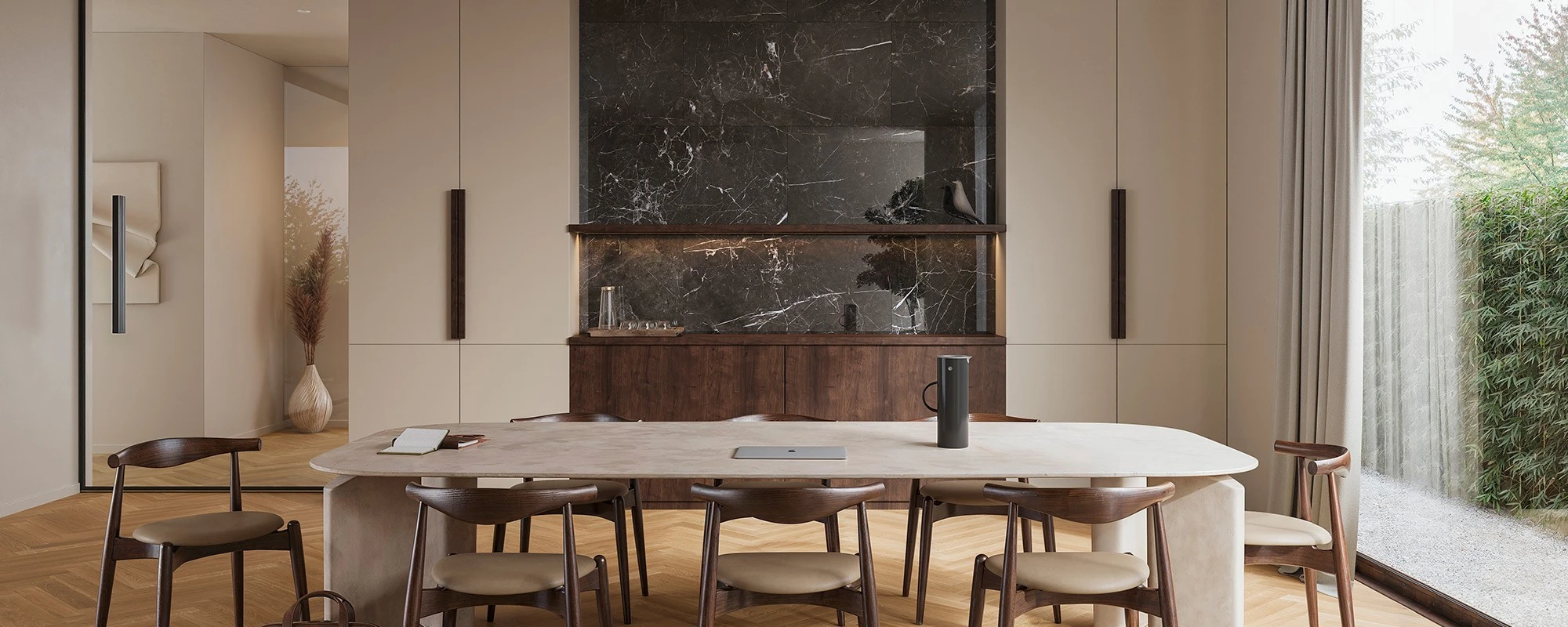
header-woonkamer

Plastic wall panels: what exactly does that mean?

Want to renew your walls without demolition or tiling? Then plastic wall panels might be the solution. But what exactly does plastic mean, and what is the difference between PVC and SPC?

What are plastic wall panels?

Plastic wall panels are panels for interior walls that are made entirely or partly of plastic. They are used as an alternative to traditional wall finishes such as paint, wallpaper or tiles.

The term plastic wall panels is actually a collective name. Not all panels are constructed in the same way. Some consist mainly of PVC, while others have a composite core in which plastic is combined with mineral materials.

The material and construction determine, among other things, how sturdy, water-resistant and easy to maintain a wall panel is.

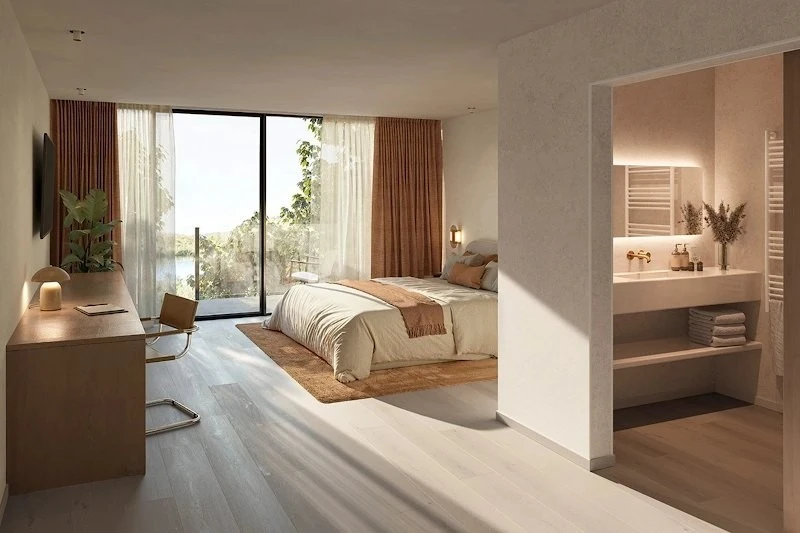
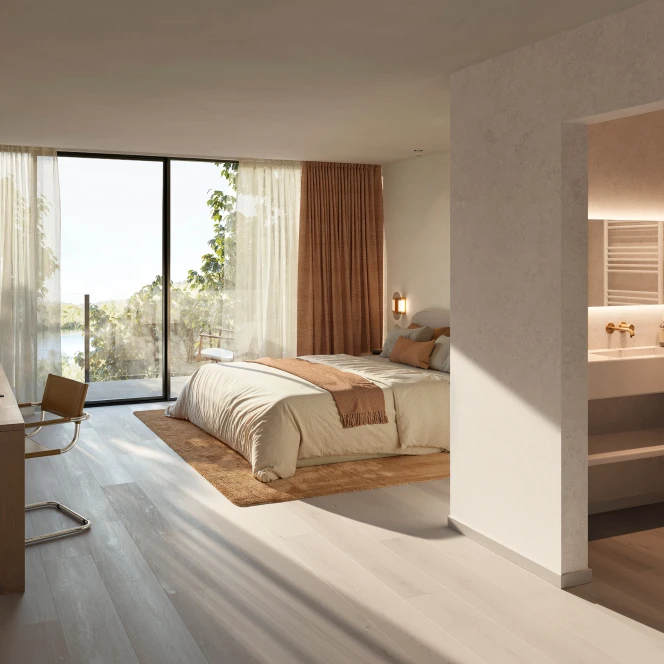
hotel-room-open-bathroom-wall-panels

What types of plastic wall panels are there?

If you're looking for plastic wall cladding, you'll come across different names. PVC and SPC in particular are often used interchangeably, although there are clear differences.

1. PVC wall panels

PVC stands for polyvinyl chloride, a widely used plastic that is highly resistant to moisture. PVC wall panels are usually light and relatively easy to work with. Some versions have a hollow structure, while others are made of solid plastic.

They are often used in kitchens, toilets and bathrooms. Quality and sturdiness can vary depending on the composition and finish.

2. SPC wall panels

SPC stands for Stone Plastic Composite. In these panels, plastic is combined with minerals, usually limestone. As a result, an SPC panel has a rigid, dimensionally stable core. The material combines the water resistance of plastic with the sturdiness of a mineral composition.

Lamett's mineral wall panels, for example, have an SPC core, topped with a decor layer and a protective finish.

Plastic wall panels or mineral wall panels: what's the difference?

The main difference lies in the composition of the core.

Classic PVC wall panels consist mainly of plastic. Mineral SPC wall panels combine plastic with a large proportion of limestone.

That influences the properties of the material.

Mineral SPC wall panelsPVC wall panels
CompositionPlastic and natural limestoneMainly plastic
CoreRigid and mineralHollow or solid, depending on the product
Water resistanceWaterproof coreUsually good
SturdinessHigh dimensional stabilityDepends on the version
LookRealistic stone and marble lookVarious decors and finishes
InstallationGlued with tongue-and-groove jointDepends on the system

What are the advantages of plastic wall panels?

Plastic wall cladding has several practical advantages. Especially in renovations, it can be an interesting alternative to classic wall finishes.

  1. Suitable for damp rooms

    Many plastic wall panels are highly resistant to moisture. That makes them interesting for rooms where water and condensation occur regularly.

    Please note: water-resistant is not necessarily the same as suitable for direct contact with shower water.

    Lamett's mineral wall panels have a completely waterproof SPC core. With correct installation, on a suitable waterproof substrate and with carefully finished joints, they can also be used in wet zones.

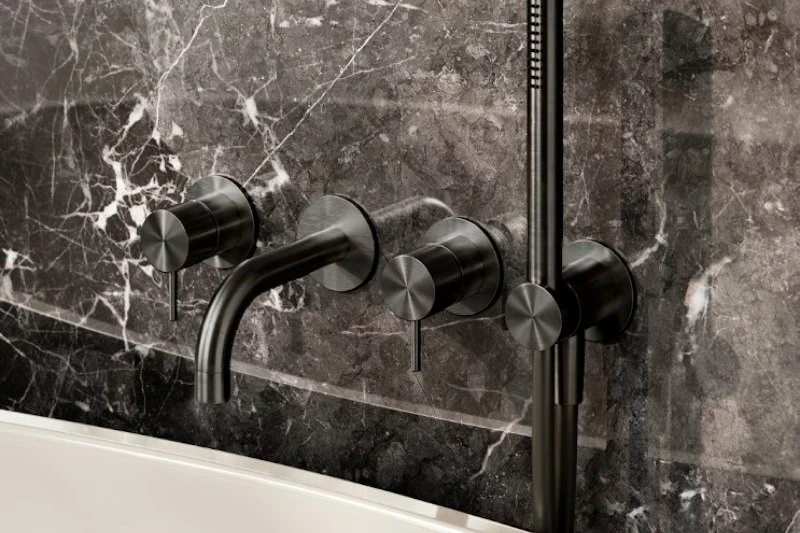
shower-tap-wall-panel-dark-marble-look
  1. Fewer joints and easy maintenance

    Traditional tiled walls often have many joints, where dirt, limescale and moisture can build up over time. With larger wall panels, you significantly reduce the number of seams. That not only creates a calmer look but also makes maintenance easier.

  2. A quick renovation without demolition

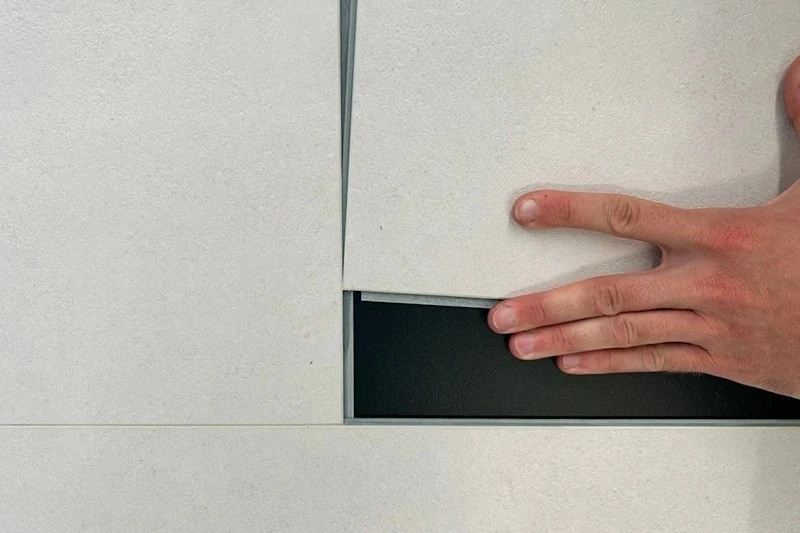
    Completely tearing out an existing tiled wall isn't always necessary. In many cases, thin wall panels can be installed directly over a suitable existing substrate. That saves time and avoids much of the dust and rubble that come with a traditional renovation.

installing-wall-panel-tongue-and-groove
  1. Different colors and finishes

    Plastic wall panels don't have to look like plastic at all. Thanks to modern decor layers and printing techniques, they can imitate the look of natural materials. That way, you can enjoy a marble or stone look without having to install real natural stone.

  2. A versatile wall cladding

    From an entire bathroom wall to an accent wall behind the sofa: wall panels can be used in many places.

    The right choice mainly depends on the conditions in the room. In a bathroom, water resistance is important, while in a living room, the look often plays a bigger role.

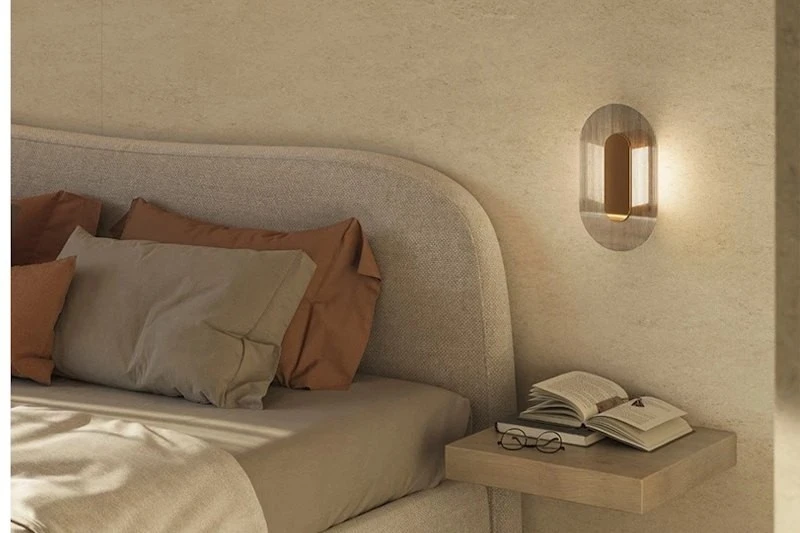
bedroom-wall-light-stone-look

Which plastic wall panels can you find at Lamett?

At Lamett, you'll find mineral wall panels that combine the practical advantages of plastic with the sturdiness of a mineral SPC core. The collection consists of two different finishes.

1. Roccia: a natural stone look

Roccia has a matt, tactile stone texture. The soft color variations and natural texture create a calm look. This collection goes particularly well with interiors centered on wood, warm neutral colors and natural materials.

Close-up van een Roccia-wandpaneel met matte steenstructuur

2. Marbrex: an elegant marble look

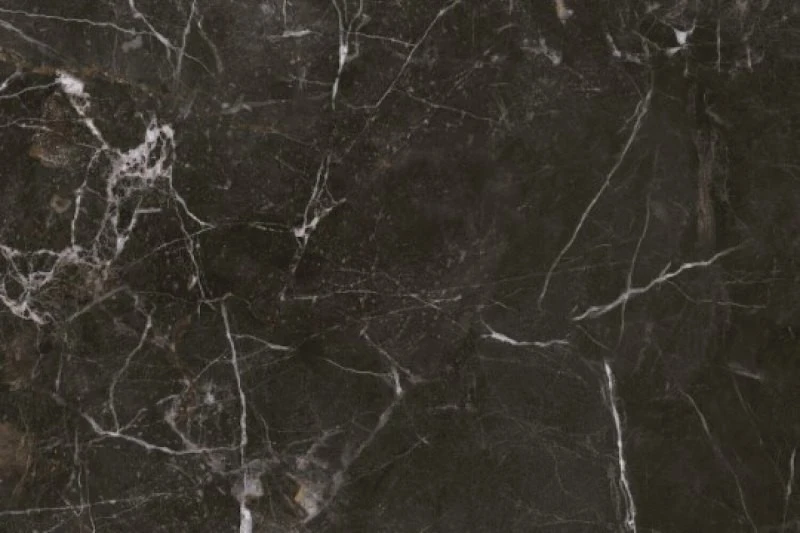
Marbrex combines a realistic marble print with a high-gloss finish. With it, you create a striking accent wall that comes close to the look of polished marble. Ideal if you like to add a little extra character to the bathroom, kitchen or living room.

Close-up van een Marbrex-wandpaneel in zwarte marmerlook met hoogglans

Both collections are available in different decors and formats, so you can tailor the wall cladding to the room.

Where do you use plastic wall panels?

Mineral wall panels are designed for indoor use and suit almost any room. Discover all applications here.

  1. Bathroom and shower

    The classic. Wall panels in the bathroom give your shower a sleek, jointless wall where limescale and mold have little chance. With 2800 mm-high panels, you can finish a shower wall from floor to ceiling.

  2. Kitchen and splashback

    Behind the counter, the panels replace your old tiled splashback, without demolition. Do keep a minimum distance of 15 cm from the flame or heating element of your hob. Read more about wall panels in the kitchen.

  3. Living room and accent wall

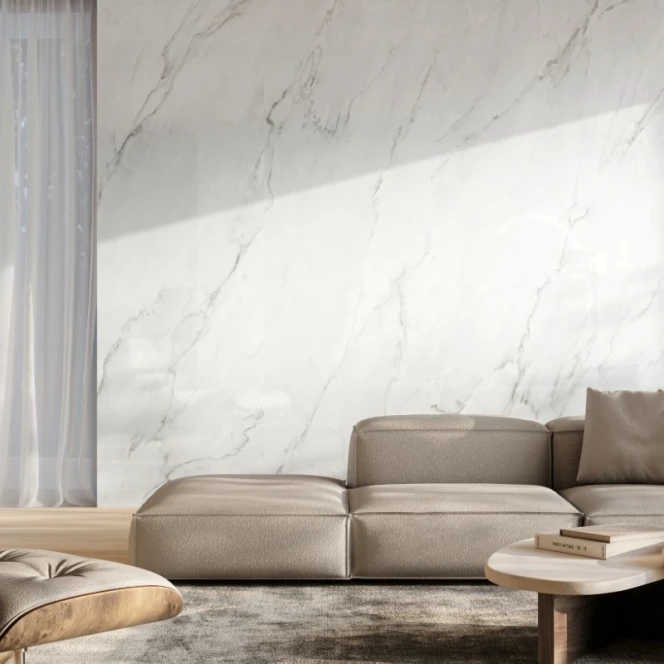
    A marble wall behind the sofa or a calm stone look around the TV: in the living room you turn an ordinary wall into an eye-catcher.

  4. Hospitality and projects

    Because the panels are installed without dust and almost silently, your business stays open during the renovation. Discover more about wall panels for hospitality.

Frequently asked questions about plastic wall panels

Are plastic wall panels waterproof?

Many plastic wall panels are water-resistant but not every product is suitable for direct contact with water. That depends on the composition and finish. The mineral SPC wall panels have a completely waterproof core. For use in a shower, a suitable substrate and correct sealing are also necessary.

What is the difference between PVC and SPC wall panels?

PVC wall panels consist mainly of plastic. SPC wall panels combine plastic with limestone, giving them a more rigid and dimensionally stable core.

How do you maintain plastic wall panels?

That depends on the finish. For the mineral wall panels, a soft cloth and a mild cleaner are usually enough. Avoid aggressive cleaning agents and abrasive materials that could damage the protective layer.

Discover Lamett's wall panels

The mineral SPC wall panels combine a strong, waterproof core with the natural look of stone or marble. Ideal for a stylish, easy-care wall finish.

Curious which decor suits your interior? Discover our collections or get advice from our experts.

Contact an expert Discover the collections

download-brochure-mwp

Download our inspiration brochure

Want to browse all our collections and photos? Download our inspiration brochure. You'll find every collection, lots of photos and all the technical details.