Torn between parquet and a vinyl floor? At first glance, both types of flooring may seem very similar. They both bring warmth to your interior and are available in a wide range of natural looks.
Yet there are clear differences.
Parquet is made of real wood and therefore has a unique look that only gains more character over the years. Vinyl on the other hand is particularly practical: it is easy to maintain, comfortable to use and highly resistant to moisture.
Which floor suits you best mainly depends on your home, your budget and how you use the room. That's why we've listed the 7 most important differences between parquet and vinyl for you.
| Parquet | Vinyl | |
|---|---|---|
| Material and look | Real wood, natural and unique | Synthetic floor with a realistic wood look |
| Price | Higher investment | More affordable to buy |
| Lifespan and maintenance | Needs a little more care, but lasts longer and can be renovated | Easy to maintain |
| Installation | Requires more preparation and expertise | Often easier, also with click system, suitable for DIY |
| Moisture and water resistance | More sensitive to moisture | Water-resistant |
| Scratch resistance | More sensitive to scratches, but repairable | Scratch-resistant |
| Underfloor heating | Suitable with stable, multilayer parquet | Highly suitable |
The most fundamental difference lies in the material:
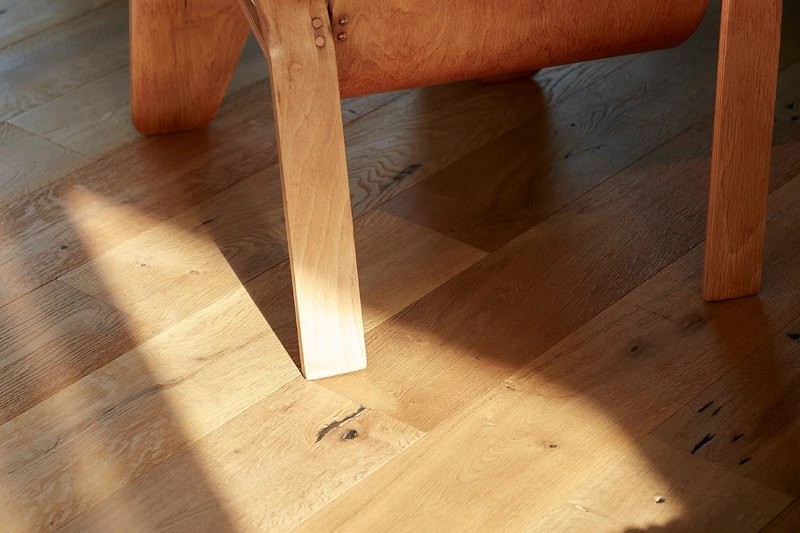
Parquet is made of real wood. As a result, every plank has its own grain, color variations and knots. No two parquet floors look exactly alike. It is precisely this natural variation that gives wood its typical charm.
A vinyl floor has the look of wood, but is not made of real wood. Thanks to realistic colors, wood textures and finishes, it comes very close to that natural look today.
If you mainly fall for the authenticity and feel of real wood, you'll be more inclined to choose parquet. If you're looking for a similar look with extra practical features, vinyl is a strong alternative.
Want to compare colors and textures at home first? Request free floor samples here.
There is also a clear difference in price:
Parquet usually requires a bigger investment. Not only the material itself, but also the installation can increase the total cost. On the other hand, quality parquet can last a very long time and, depending on its construction and finish, can be retreated or sanded later on.
Vinyl is generally more budget-friendly than parquet, although there are also big price differences within vinyl. Quality, thickness, wear layer and finish all affect the price. The relatively easy installation can also help keep the total cost down.
So don't just look at the purchase price, but also at how long you want to keep the floor and how much maintenance you're willing to do.
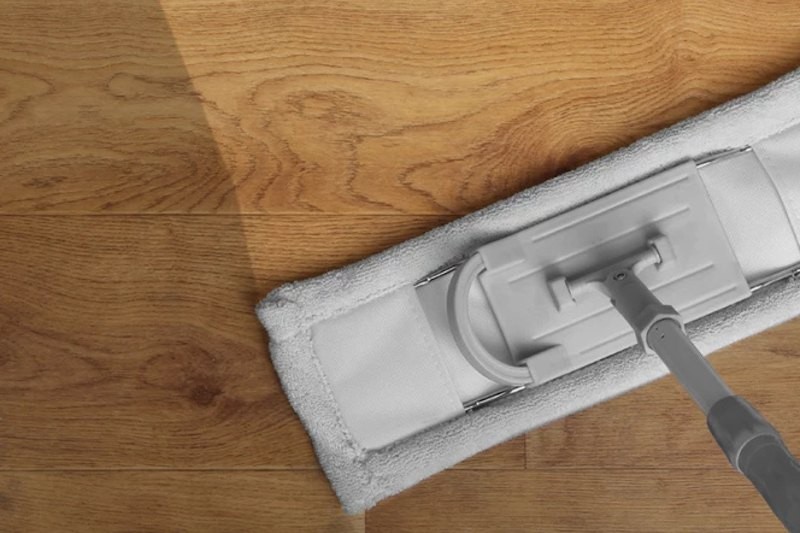
If you want as little maintenance as possible, vinyl is very little work:
With vinyl, regular vacuuming or sweeping and occasional mopping are enough to keep the floor looking good. The floor is also not very sensitive to stains, and you don't have to be as careful with moisture.
Maintaining parquet doesn't have to be complicated either, but it depends a lot on the finish. An oiled floor, for example, needs to be nourished from time to time with a suitable maintenance product. With a lacquered floor, the lacquer layer protects the wood and maintenance is somewhat easier.
Above all, want a floor you hardly have to worry about? Then vinyl has the edge here.
There are also clear differences between parquet and vinyl when it comes to installation:
Installing parquet generally requires more preparation. The subfloor must be flat and suitable, the wood needs time to acclimatize, and the right installation method is crucial for a lasting result. That's why most people have parquet installed by a professional.
Vinyl can, depending on the type of floor, be a lot easier to install. Some floors use a handy click system, others are glued down. Click vinyl in particular is a godsend when you want to renovate quickly. Vinyl floors also need to be installed on a flat subfloor, and acclimatization is a must too.
When it comes to moisture resistance, vinyl has a clear advantage:
A vinyl floor is water-resistant and therefore perfect for a kitchen, bathroom or utility room. A spilled glass of water? Simply wipe it dry, no need to panic.
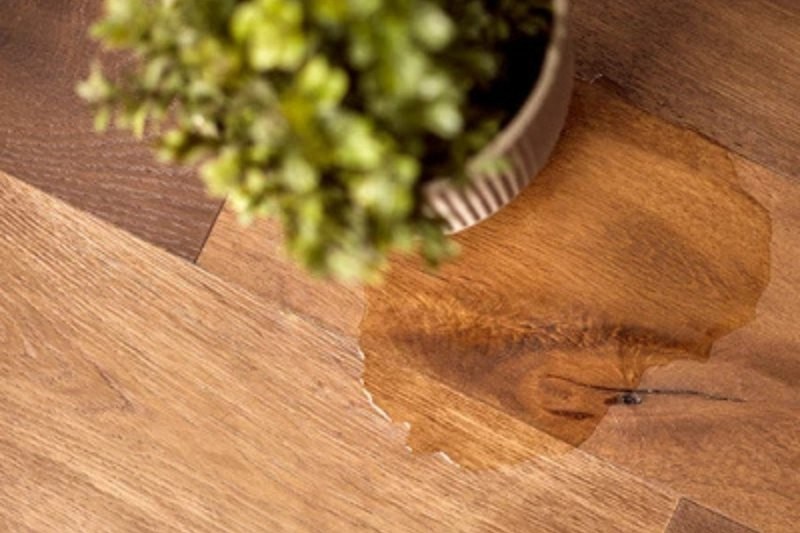
Parquet needs a little more attention. Wood naturally reacts to changes in temperature and humidity. Too much moisture can cause the wood to swell or damage the finish. That doesn't mean every contact with moisture is immediately a problem. Oiled parquet gets moisture-repellent protection from the oil and stays well protected with proper maintenance. With lacquered parquet, the lacquer layer provides that protection.
No floor stays completely free of signs of use. Still, parquet and vinyl deal with them in different ways:
Over time, small scratches and signs of use can appear on parquet. For many people, they are part of parquet's natural look. The big advantage is that parquet can often be repaired. Depending on its construction and the damage, a wooden floor can be retreated or sanded.
Vinyl, on the other hand, is very hard-wearing and can withstand intensive daily use. Repairing damage, however, is less easy. You can't simply sand away a deep scratch as you can with wood.
Want to combine underfloor heating with a beautiful floor? That's possible with both parquet and vinyl, but there are a few differences:
Vinyl is usually highly suitable for underfloor heating. The floor is relatively thin, so heat is passed on to the room easily. Here too, you need to take into account the manufacturer's instructions and the maximum permitted surface temperature. For certain click vinyl floors, for example, this is 28 °C.
Parquet can also be perfectly combined with underfloor heating, provided you choose a floor that is suitable for it. Stable, multilayer parquet floors in particular are often used for this. Because wood conducts heat less quickly than some other materials, the right construction and installation are important.
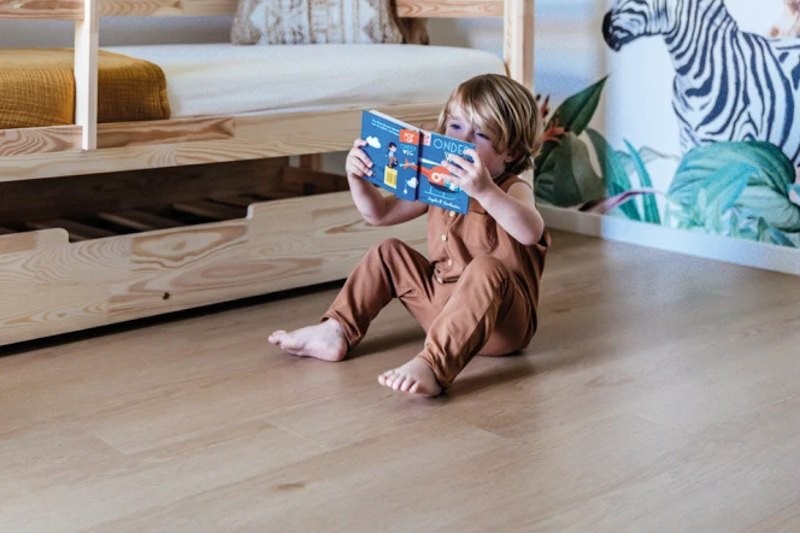
Both floors can be combined with underfloor heating. With parquet, multilayer parquet is preferable, as it reacts more stably to temperature differences. Vinyl is also suitable for underfloor heating, provided you follow the installation instructions.
Because of its sensitivity to moisture, parquet is not suitable for bathrooms. Lamett also does not offer a warranty on parquet installed in a bathroom. If you want a floor that can handle moisture without worry, vinyl is the safer choice.
Parquet needs regular maintenance to stay beautiful. Wood also reacts to fluctuations in temperature and humidity and is more sensitive to moisture, scratches and dents. Buying and installing it can also require a bigger investment.
If heavily damaged, vinyl cannot be sanded or renovated. A damaged plank usually has to be replaced. And despite the realistic wood texture, the look remains an imitation of real wood.
At Lamett, you'll find both parquet and vinyl. Visit our showroom and discover the differences in look, feel and ease of use for yourself. Our flooring specialists are happy to help you choose the floor that best suits your home and lifestyle.
Prefer to compare at home first? Then request free floor samples and see the colors and textures in your own interior.
Want to browse between the different collections and photos? Download our inspiration brochure. Besides all the collections and lots of photos, you will also find all the technical details.
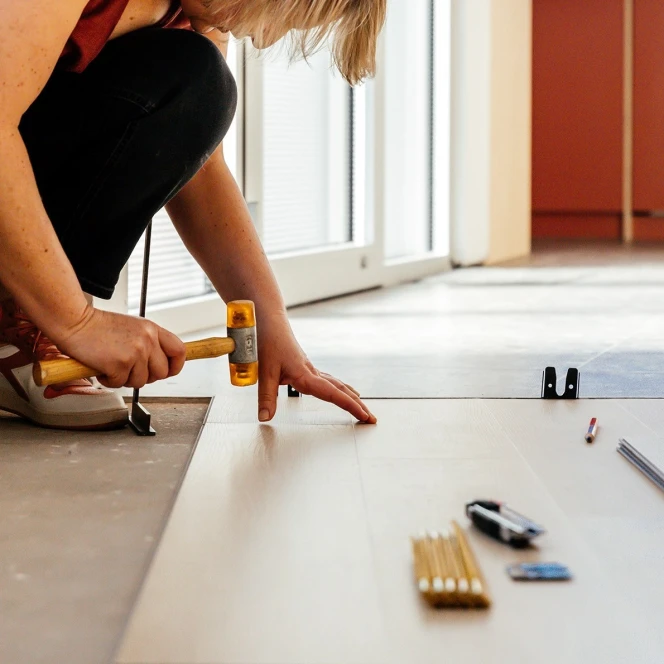
A new vinyl floor in your living room, kitchen or bedroom? Then you face an important choice: will you get started yourself or have the floor installed by a professional?
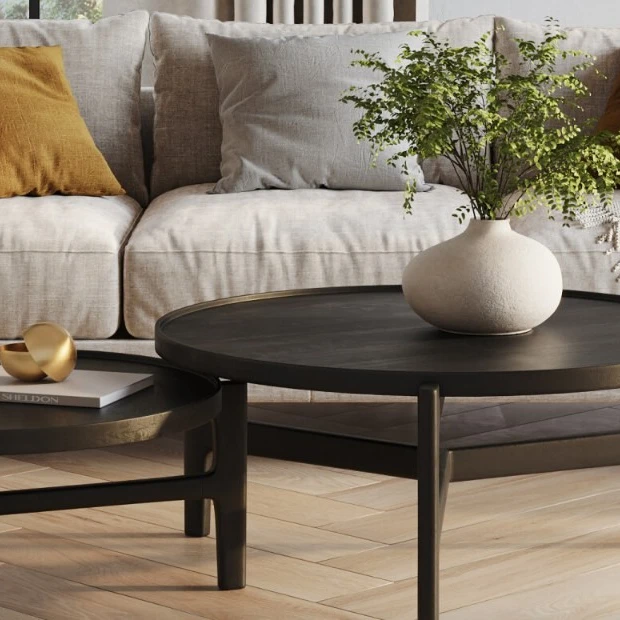
Choosing a new floor isn’t something you do every day. You want a floor that suits your interior but can also withstand everyday life.
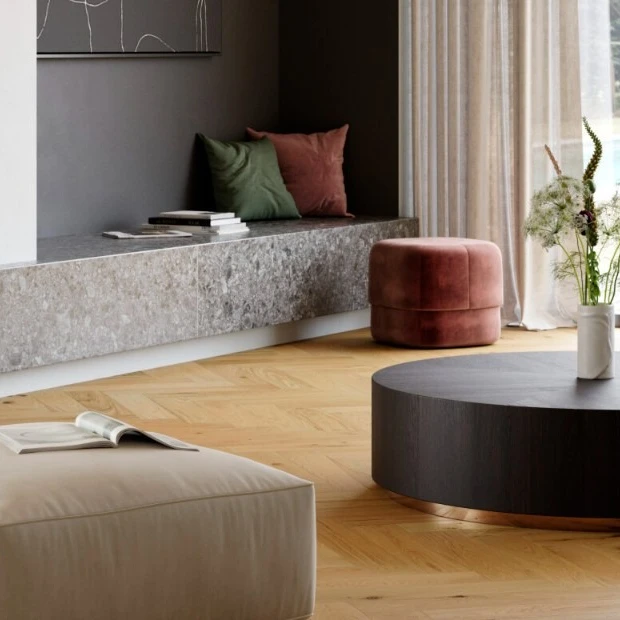
Life in a holiday home is different from life at home. Children come in with wet feet after a dip in the pool, sand is brought in from the beach and every week a different group of guests stays.